Mobile App
Memory Map
Memory Map is a mobile app that lets users anonymously pin photo memories to a shared, public map. I joined the project after an engineer had built the initial foundation, and took ownership of the full design direction — reimagining the onboarding flow, building a scalable design system, and introducing interactions that gave people a reason to explore and contribute.
- how do you make an anonymous, public experience feel personal and worth returning to?
- designing intuitive map-based interactions for placing and discovering memories
- scaling a design system across phone and tablet form factors
Process
1. Audited the existing app and identified gaps in the onboarding experience, interaction patterns, and visual consistency. The app had a working map and basic memory placement, but lacked a cohesive design language and clear user guidance.
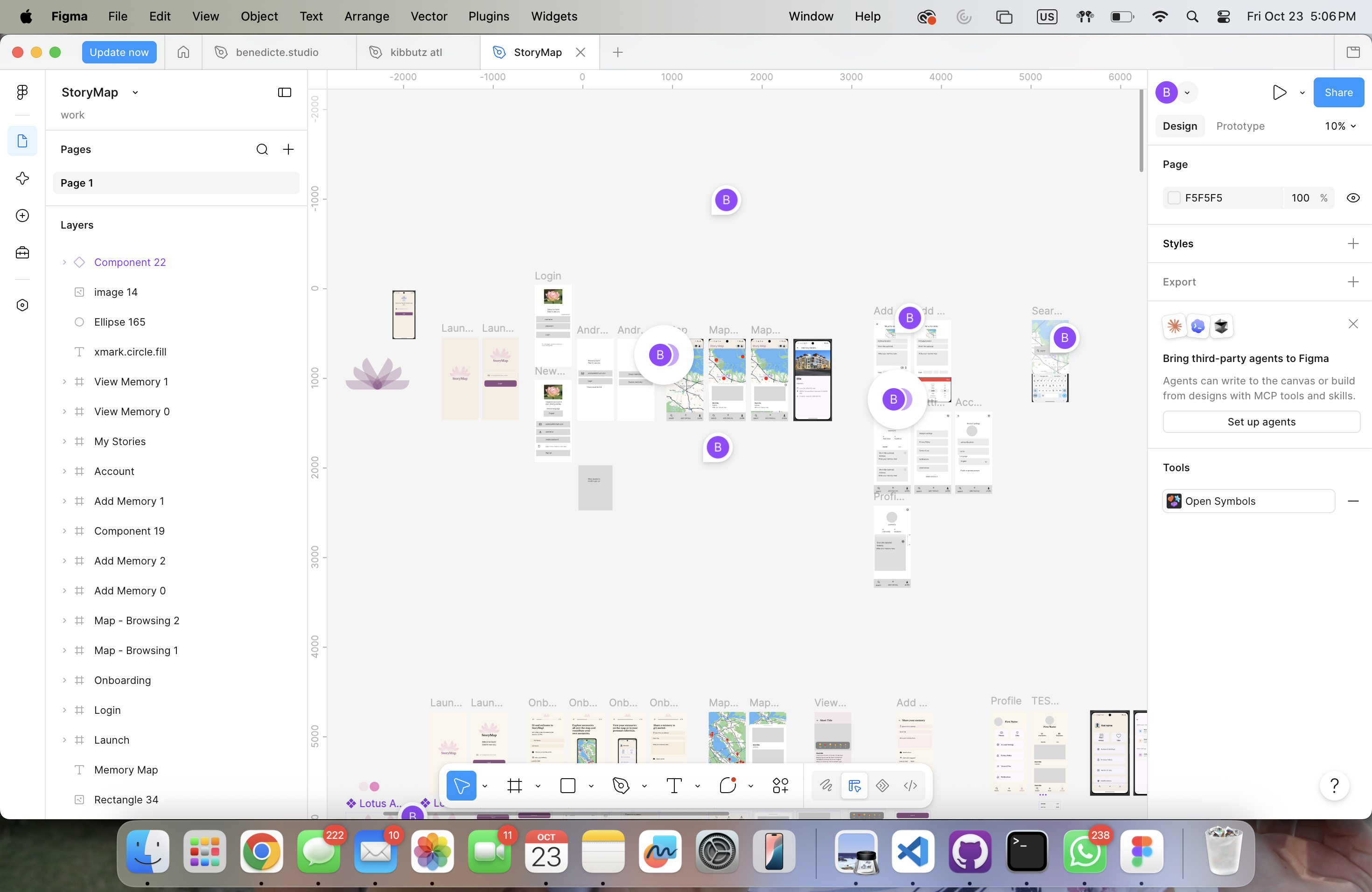
figma workspace — design exploration and iteration
2. Redesigned the complete onboarding flow to orient new users, introducing the concept of anonymous memory sharing, demonstrating how to place a memory, and setting expectations for the public map experience.
3. Built a comprehensive design system from scratch that scaled across iPhone and iPad. Defined typography, spacing, color, and component patterns that gave the app a consistent identity it had been missing.
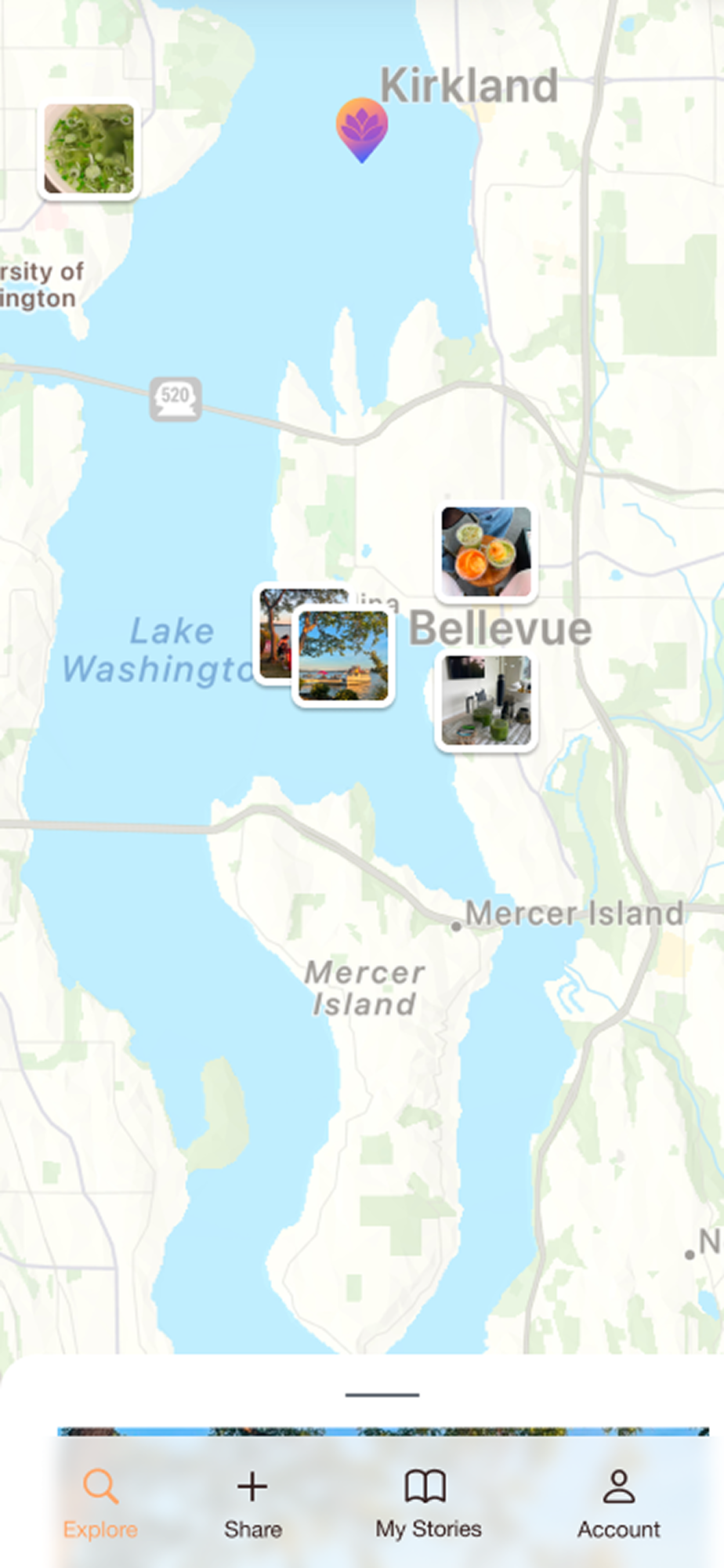
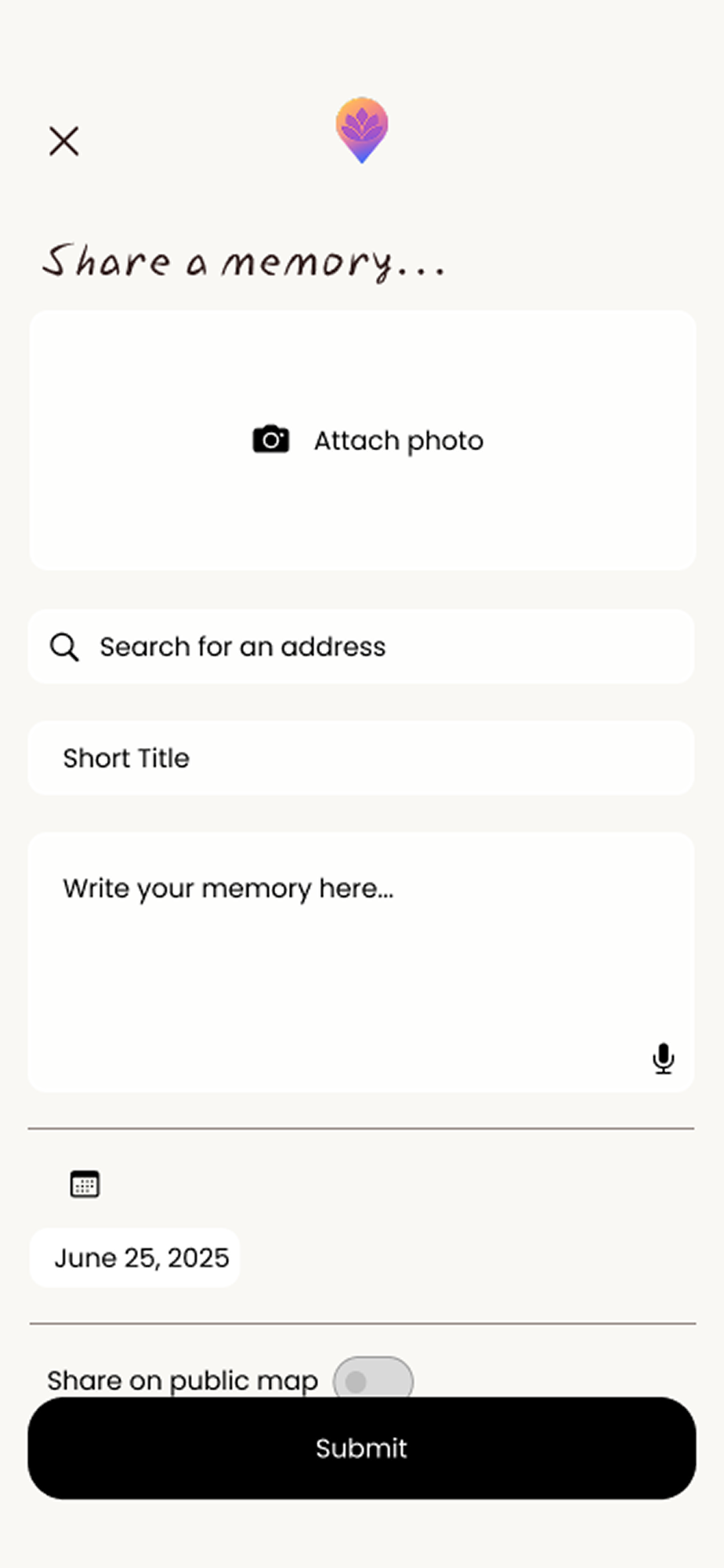
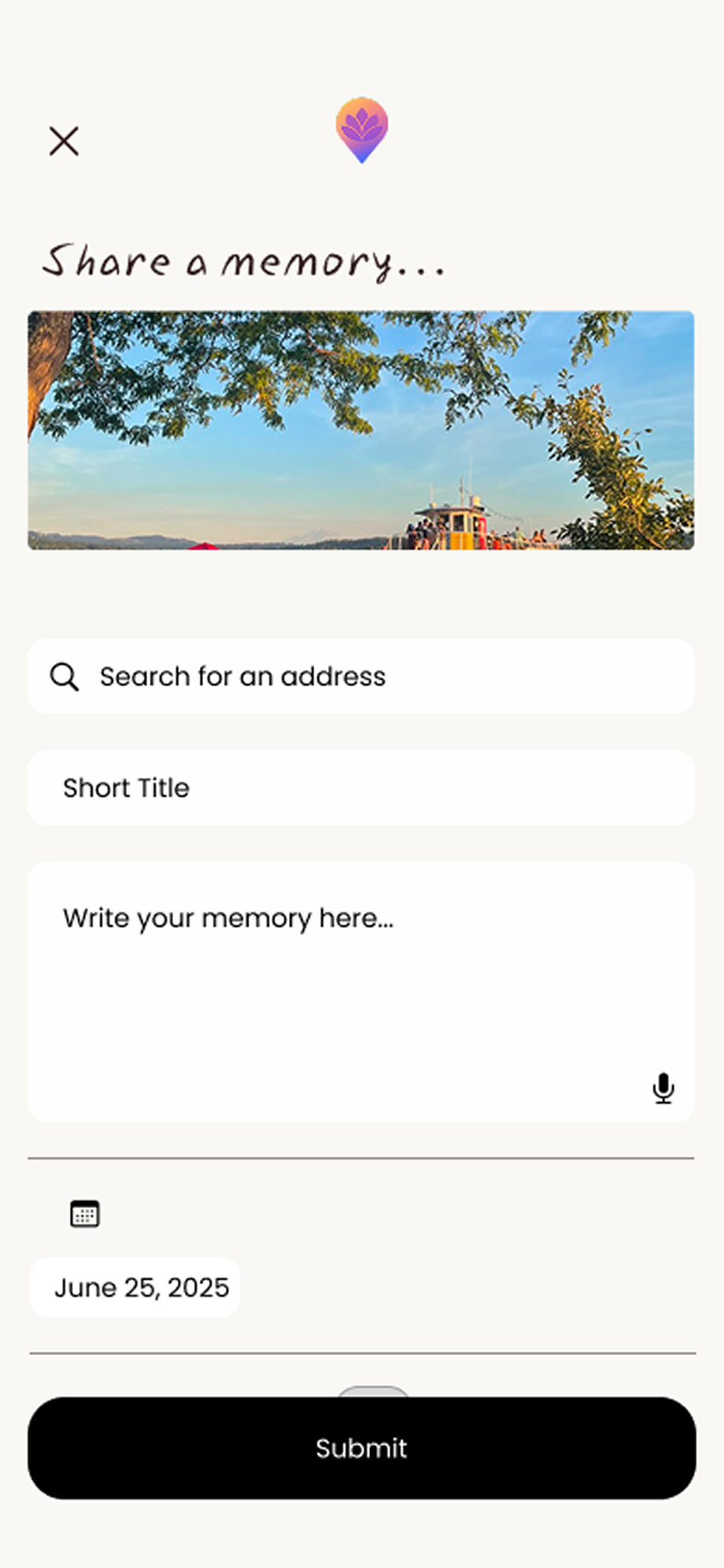
4. Designed microinteractions to make the map feel alive. Press and hold on any location to drop a new memory, tap to expand and explore existing ones. These small details made the core interaction loop feel intuitive and satisfying.
5. Ran multiple rounds of user testing to validate the onboarding flow, memory placement interactions, and overall comprehension of the app's purpose. Iterated on friction points, especially around the anonymous posting model and discoverability of other people's memories.
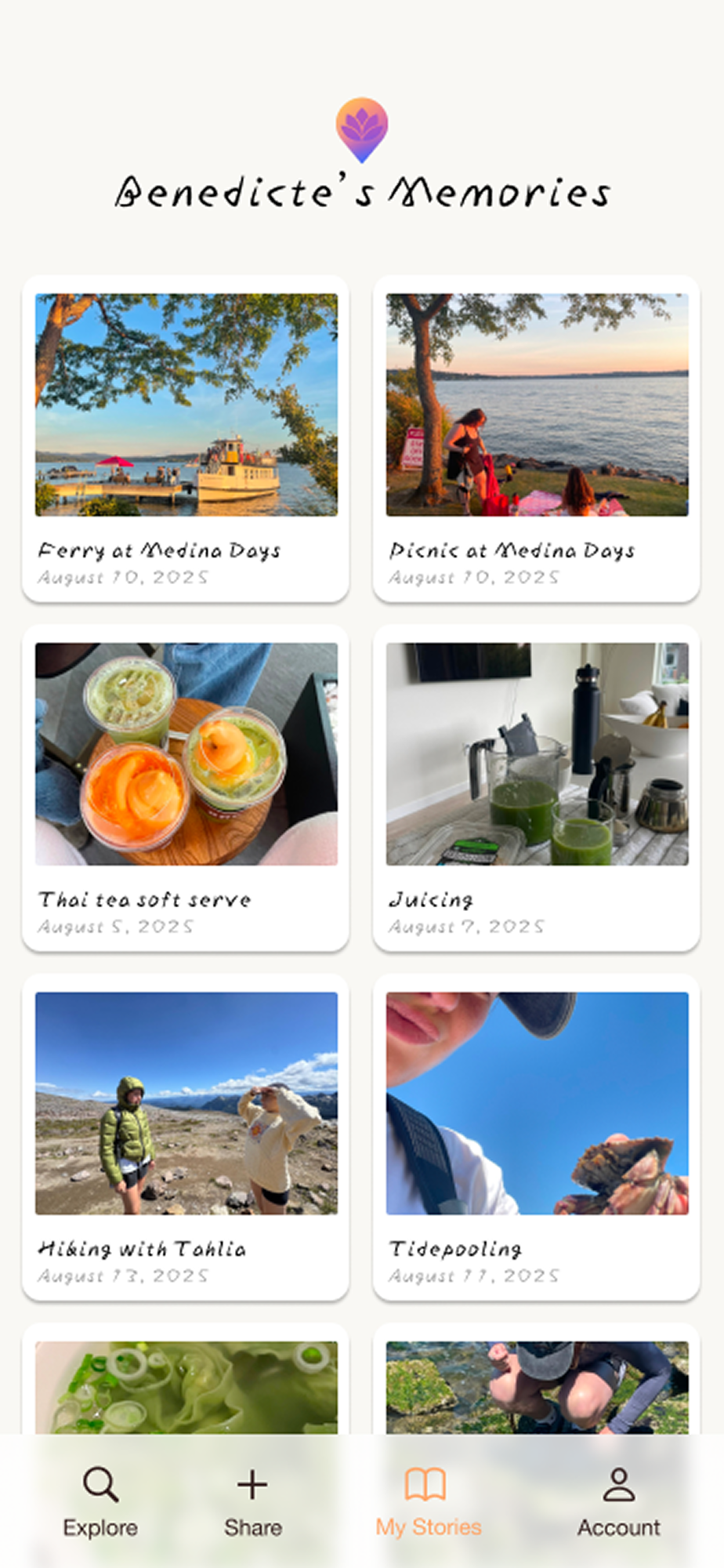
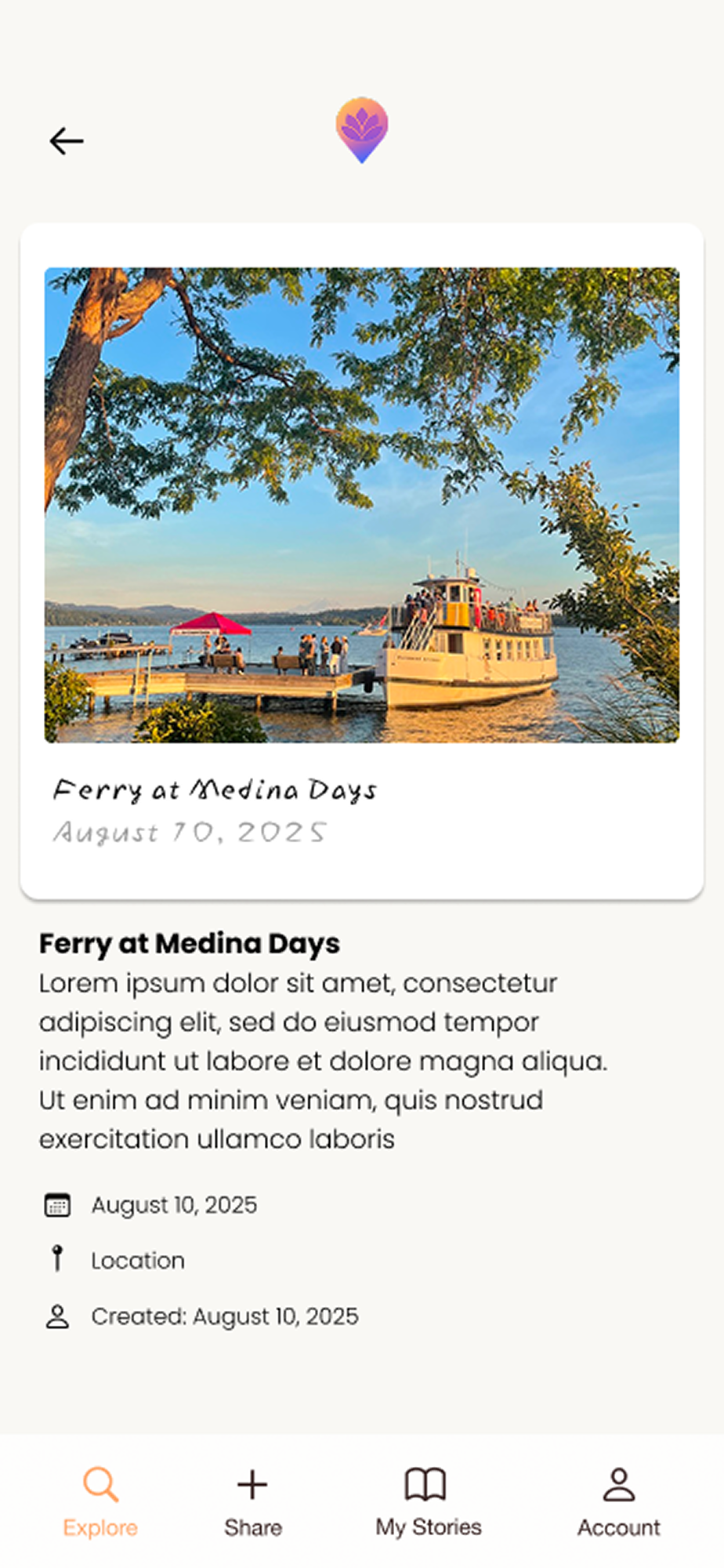
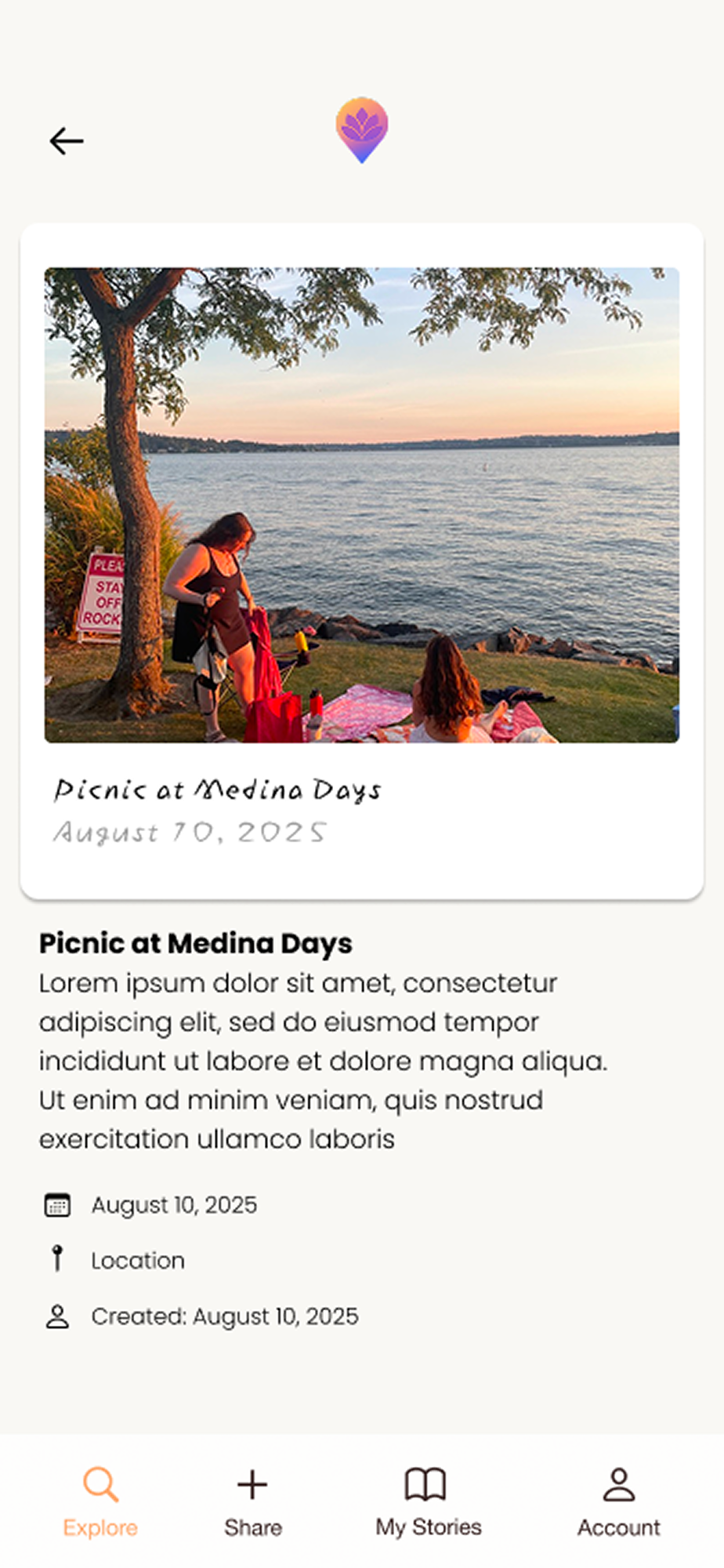
6. Proposed and designed a collections feature allowing users to group memories together thematically. This gave the app more structure and gave people a reason to engage beyond one-off memory drops.
demo video
Challenges
The biggest challenge was directional. The core concept, anonymous memories on a public map, didn't have an obvious hook. There was nothing inherently compelling about pinning a photo to a location if no one you know will see it and there's no clear reason to browse strangers' memories.
I pushed to give the app more purpose: collections that could organize memories into something worth exploring, and interactions that rewarded curiosity.
Navigating the tension between a wide-open canvas and a focused, purposeful experience defined much of my work on this project. I advocated for features that would give users a reason to come back, while respecting the engineer's vision of a shared, anonymous space.